
- July 4, 2026
- Posted by: InstituteofOE
- Category: EQ Insights
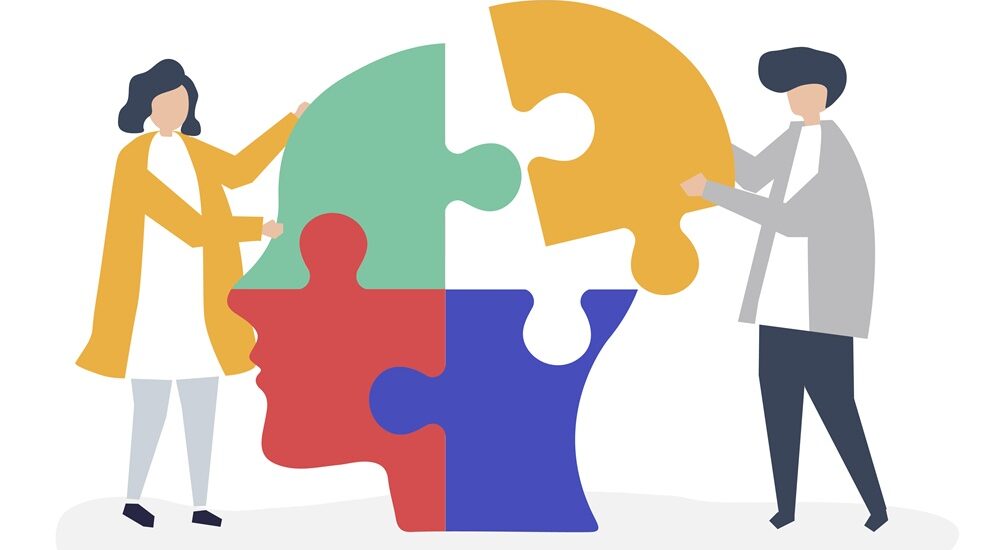
Why High EQ Beats High IQ in Career Success
For decades, the traditional measure of career potential was IQ — a person’s intelligence quotient. It was assumed that the smartest people, armed with exceptional analytical and problem-solving abilities, would naturally rise to the top.
While intelligence is certainly valuable, research and real-world experience tell a different story: Emotional Intelligence (EQ) often plays a bigger role in long-term career success than IQ.
The Shift from IQ to EQ
IQ reflects cognitive abilities such as logic, reasoning, and problem-solving. These skills are undeniably important, especially in fields that require deep technical expertise. However, as careers progress, the nature of success changes.
In the early stages of a job, strong IQ may help you learn quickly, master processes, and solve technical challenges. But as you move up the career ladder, success relies more on your ability to work with people — to lead, collaborate, persuade, and inspire. That’s where Emotional Intelligence comes in.
EQ, as popularized by Daniel Goleman, is the ability to recognize, understand, and manage your own emotions and recognize, understand, and influence the emotions of others. In a workplace where relationships drive results, EQ becomes the differentiator between competent professionals and truly exceptional leaders.
Why EQ Outweighs IQ in Career Success
1. Relationships Drive Results
No matter how brilliant your ideas are, they need buy-in from others to be implemented. People with high EQ excel at building trust, listening actively, and making others feel valued.
Consider two equally intelligent employees: one who is approachable, collaborative, and empathetic, and another who is technically brilliant but abrasive. Over time, the first will likely have more influence, more allies, and more opportunities — simply because people enjoy working with them.
2. Adaptability in a Changing World
IQ helps you solve problems, but EQ helps you navigate the emotions and uncertainties that come with change.
In times of disruption — whether it’s a sudden market shift, organizational restructuring, or a new technology — people with high EQ can stay calm, regulate their own emotions, and help others adapt. This ability to guide teams through change is a critical leadership skill that IQ alone can’t provide.
3. Better Communication Skills
High-IQ individuals may know the right answers, but without strong communication skills, their ideas can get lost. Emotional Intelligence allows professionals to tailor their message to their audience, read nonverbal cues, and resolve misunderstandings before they escalate.
This skill is particularly valuable in diverse workplaces, where understanding different perspectives and communication styles can mean the difference between collaboration and conflict.
4. Conflict Resolution and Collaboration
Workplace conflicts are inevitable — deadlines, differing opinions, or personality clashes can all cause friction. IQ may help you “win” an argument, but EQ helps you resolve it in a way that strengthens relationships.
High-EQ individuals can:
Recognize when emotions are running high.
Address issues without making others defensive.
Find win-win solutions that preserve respect and trust.
This ability to maintain harmony and productivity is invaluable to teams and organizations.
5. Leadership Potential
When companies look for leaders, they aren’t just seeking the smartest person in the room — they’re seeking someone who can inspire trust, motivate others, and foster a healthy culture.
Studies show that EQ accounts for nearly 90% of the difference between average and high-performing leaders. While IQ may help you get into leadership positions, EQdetermines whether you can thrive once you’re there.
Real-World Evidence
Numerous studies highlight EI’s impact:
TalentSmart research found that 90% of top performers have high EQ, while only 20% of bottom performers do.
A study published in the American Journal of Pharmaceutical Education found that EQ was a better predictor of leadership effectiveness than IQ or technical expertise.
Companies like Google and Microsoft actively train leaders in EQ skills, recognizing that emotional awareness drives collaboration and innovation.
Developing Emotional Intelligence
The good news is that, unlike IQ (which is relatively fixed), EQ can be developed and strengthened. Here are some practical strategies:
Increase Self-Awareness – Keep a journal to reflect on your emotions and triggers.
Practice Self-Regulation – Pause before responding when emotions run high.
Strengthen Empathy – Ask yourself, “How might they be feeling?” in every interaction.
Improve Social Skills – Engage in active listening and focus on understanding others before responding.
Seek Feedback – Ask trusted colleagues for honest input on your interpersonal style.
Over time, these practices become habits that improve both your work performance and your relationships.
When IQ Still Matters
This isn’t to say IQ is irrelevant. In many careers — such as medicine, law, engineering, and data science — technical expertise and problem-solving skills are essential. IQ may help you excel in these areas, but without EI, you may struggle to lead, influence, or collaborate effectively.
Think of IQ as your entry ticket into a profession — it gets you in the door. EQ, however, determines how far you go once you’re inside.
The Bottom Line
In the race for career success, Emotional Intelligence is not a replacement for IQ, but it’s the factor that often determines who thrives, who leads, and who leaves a lasting impact. High EI means you can manage yourself, understand others, and build strong, trust-based relationships. These skills are essential in today’s interconnected, fast-changing workplace — and they can be learned, practiced, and mastered over time. If IQ helps you answer the question, “Can you do the job?” then EQ answers, “Can you do the job with and through other people?” And in the modern world of work, the second question matters most.
Leave a Reply
You must be logged in to post a comment.